

Specifying dredging equipment goes wrong in a predictable way: the plant is chosen before the sediment is understood. This is a practical guide to specifying a dredging spread in the right order, sediment first, method second, plant last, so the equipment matches the job.
Most dredging specification errors share one root cause: the equipment is chosen before the material is understood. A cutter suction dredger is specified because one was used last time, or a grab is chosen because it is available, and only later does the sediment analysis reveal that the wrong method has been selected for the wrong material. This guide sets out the correct order of decisions for specifying a dredging spread, so that the plant is a consequence of the job rather than an assumption about it.
Everything downstream depends on what is actually being dredged. Before any plant is considered, the specification needs an honest characterisation of the material:
The contamination status deserves emphasis because it is the decision most often left too late. If the sediment is contaminated, the disposal route is constrained, and the disposal route determines the dredging method more than any other single factor. Specifying plant before the sediment is characterised is specifying in the dark.
Method follows material. In broad terms, hydraulic methods, cutter suction and trailing suction, suit pumpable materials over larger volumes with a pipeline or hopper disposal route. Mechanical methods, grab and backhoe, suit cohesive, contaminated or debris-laden material where controlled removal into barges matters more than raw production rate. The choice is not about which is better; it is about which matches the sediment and the disposal constraint.
Precision and environmental control also drive the method. Dredging near a sensitive habitat, a live berth or a buried service demands a method with controllable spillage and accurate positioning, which usually favours mechanical or closely-controlled hydraulic plant over maximum production. The specification has to state the tolerance and the environmental constraint explicitly, because a method chosen for volume alone will breach them.
With material and method fixed, the plant specification becomes technical rather than speculative. For hydraulic methods, the pipeline is the item most often under-specified: bore, wall thickness and material grade all follow from the sediment being pumped and the pumping distance. A pipeline sized for the pump but not for the abrasiveness of the material will wear through early. Booster requirements, discharge arrangements and the disposal-site interface all follow from the same analysis.
The most expensive dredging errors are not equipment failures. They are method errors, the right plant executing the wrong approach for the material it was never suited to.
Dredging equipment does not exist in isolation from the regulatory frame around the works. A marine licence, disposal consent and environmental monitoring requirements shape what the equipment has to be capable of, spillage limits, turbidity thresholds, positioning accuracy for consented boundaries. A specification that ignores the consent conditions produces plant that cannot legally do the job it was bought for. The consent conditions belong in the equipment specification, not alongside it.
Before a dredging spread is sourced, the specification should answer, in order: what is the material and its contamination status; where does it go and under what consent; which method suits both; and only then, what plant and pipeline deliver that method to the required tolerance. Answering them out of order is how the wrong equipment gets delivered to the right project.
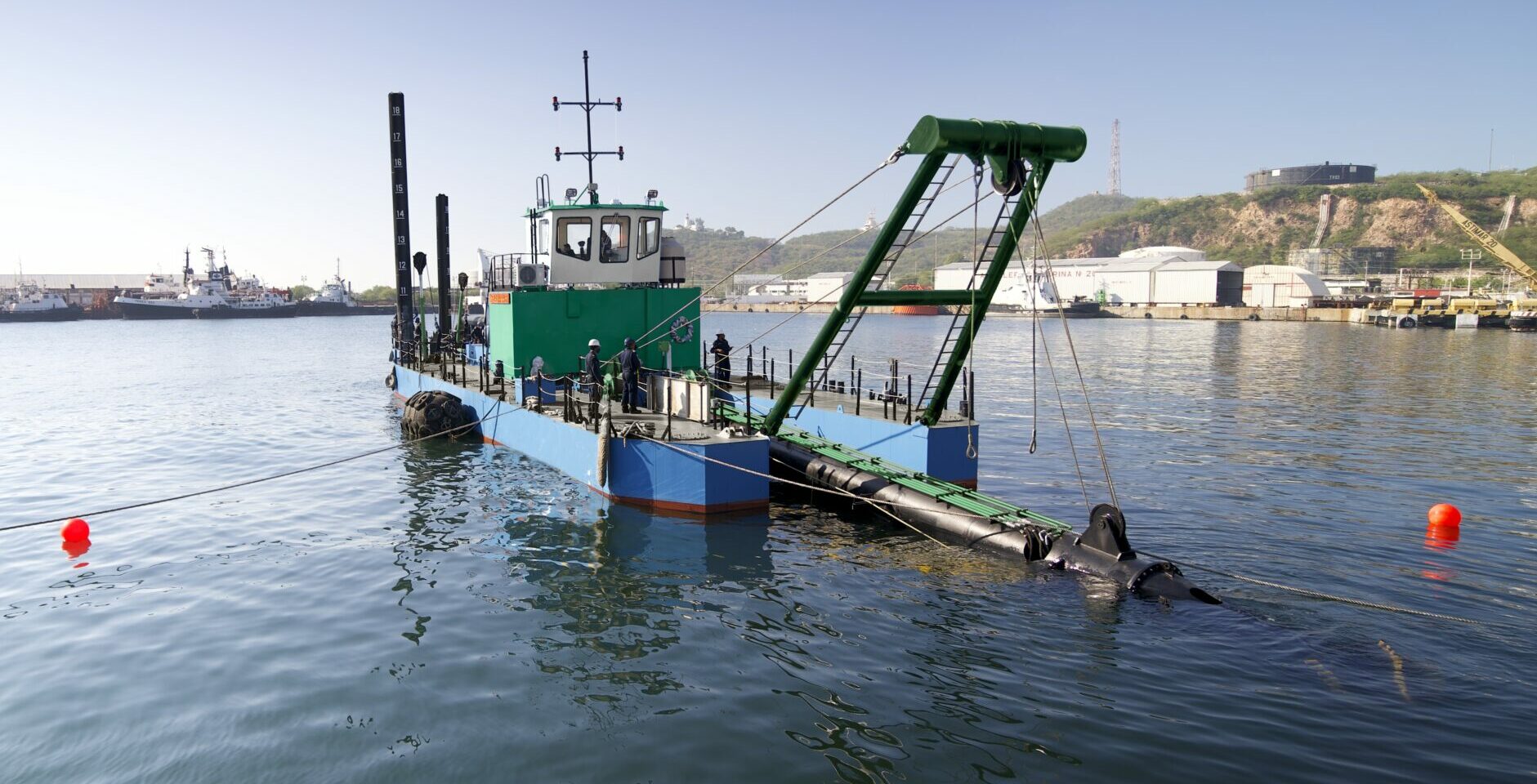
On the port navigation channel dredging programme, this order was the whole point. The sediment characterisation set the disposal route, the disposal route set the method, and the method set a dredging and pipeline specification that matched the material and the consent conditions. The equipment was sourced last, as it should be, because by then the specification was defensible.
A dredging equipment supplier that works this way is specifying an outcome, not selling a machine. If you are scoping a dredging campaign, the first deliverable worth commissioning is not a plant list; it is the sediment and consent analysis that a correct plant list depends on. Coupled with survey and monitoring equipment to prove compliance during the works, that is what turns a dredging specification into a dredging spread that does the job.
See the typical requirements we support, the challenges we help manage, and the ten-step process behind every engagement.
Whether you require specialist products, technical procurement support, supplier evaluation, coordinated plant and equipment hire, logistics or full commercial procurement management, EMIS provides one accountable point of contact from initial requirement through to final delivery and close-out.
We respond to all enquiries within one business day.


