Survey and environmental monitoring equipment is specified on a single number, accuracy, far too often. Accuracy without its conditions, its calibration state and its data pathway is a figure on a datasheet, not a fit-for-purpose instrument. Here is what a specification actually needs to state.
Sourcing marine survey and environmental monitoring equipment goes wrong most often not through buying the wrong instrument, but through specifying the right instrument incompletely. A specification that names an accuracy figure and stops has said almost nothing useful, because a survey instrument's accuracy is a function of conditions the specification failed to state. This is a guide to what a survey equipment specification actually needs to contain, so that the equipment hired or bought is fit for the survey it has to perform.
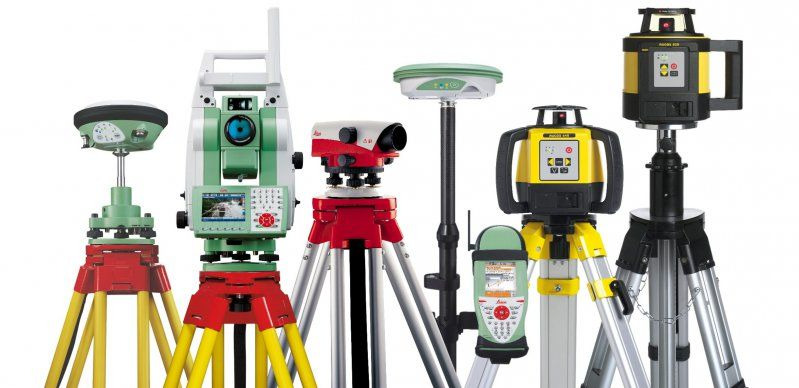
Every survey instrument quotes an accuracy. That figure is achievable only under stated conditions, a positioning solution with a certain correction service and satellite geometry, a measurement over a certain range, an instrument within calibration and operated within its temperature band. A GNSS receiver quoting centimetre accuracy delivers it with a live correction stream and open sky, and metres without them. Specifying the number without the conditions specifies a best case that the field may never provide.
A complete accuracy specification therefore states not just the required accuracy but the conditions under which it must be met: the correction service or reference infrastructure, the measurement range, the environmental envelope, and, critically, the confidence level and datum. An accuracy quoted to one standard deviation is a different claim from the same number quoted to two. The survey's tolerance requirement has to be matched against the instrument's accuracy expressed the same way.
Beyond accuracy and its conditions, a fit-for-purpose survey equipment specification needs to state:
The data pathway is the one most often overlooked and the one that most often causes trouble. An instrument that produces excellent measurements in a format the processing chain cannot ingest creates manual work, and manual re-keying of survey data is where errors enter. The specification should treat the data as part of the equipment, because operationally it is.
For survey equipment, hire is frequently the correct answer, the instrument is needed for a defined campaign, calibration is maintained by the provider, and the technology moves fast enough that ownership ages badly. But hire only works if the specification is complete, because a hired instrument that arrives on the wrong datum, out of calibration, or in a data format the project cannot use is a hire that failed. The rigour of the specification does not relax because the equipment is hired; if anything it tightens, because the window to correct a mismatch is shorter.
A survey instrument delivered on time, in calibration, and producing data the project cannot ingest is a failed hire. The data pathway is part of the equipment.
For environmental monitoring equipment, water quality, turbidity, noise, sediment plume, the sensor is only part of the specification. The harder part is the deployment: how long the equipment sits in the field, how it is powered, how it reports, how it survives fouling and weather, and how its data proves compliance against a consent threshold. A turbidity sensor with excellent resolution is useless if it cannot report continuously through the monitored period or if its data cannot be tied to the consent condition it exists to demonstrate. Specify the deployment and the reporting, not just the sensor.
The recurring theme is that with survey and monitoring equipment, the specification carries more risk than the sourcing. A complete specification, accuracy with conditions, calibration currency, datum, environmental rating, data pathway and deployment, makes sourcing straightforward and the wrong instrument almost impossible to deliver by accident. An incomplete specification makes even a good supplier a coin toss.
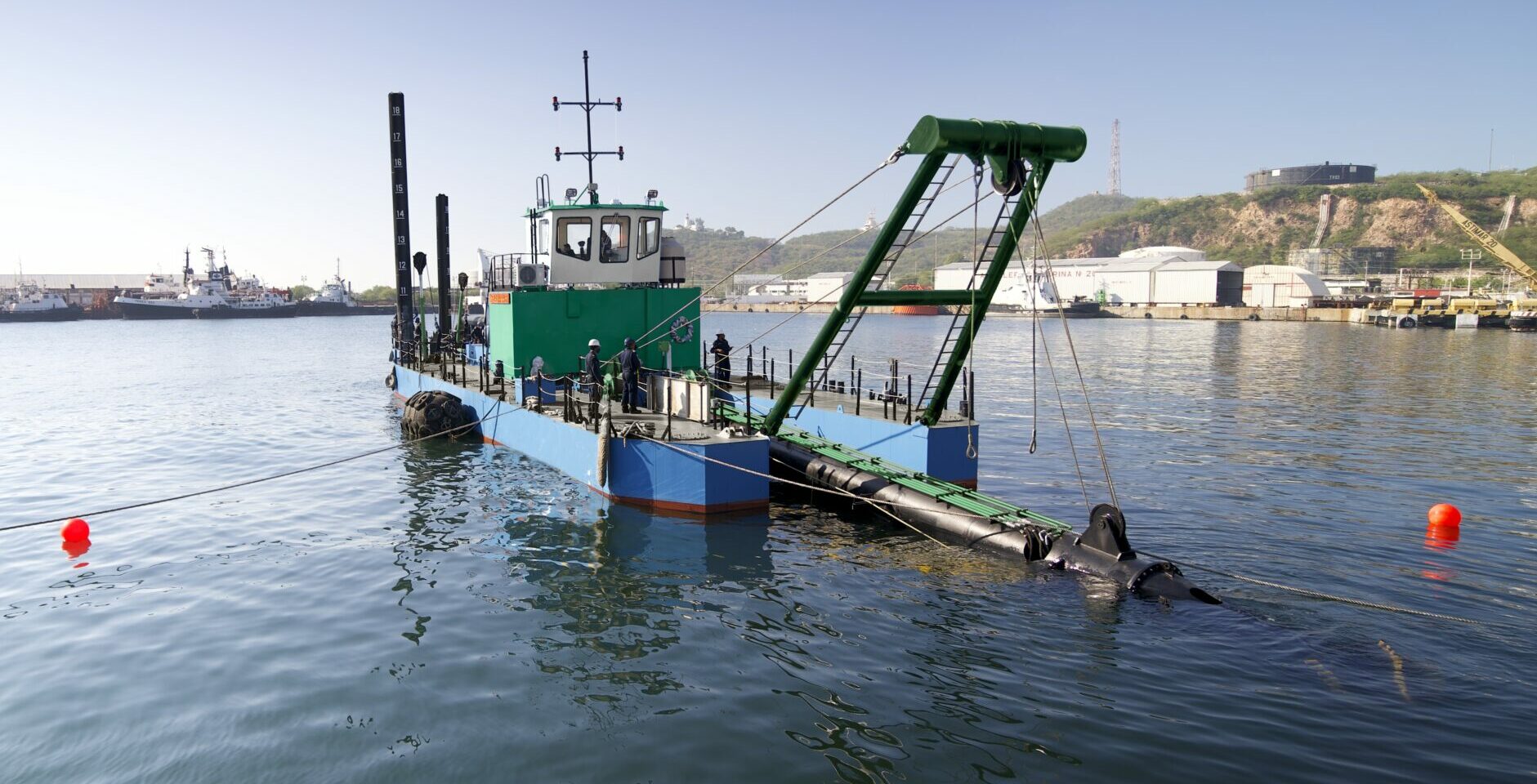
On the estuary crossing survey programme, the specification discipline was the whole job. The positioning tolerance, its conditions, the datum, the calibration requirement and the data pathway into the processing chain were all fixed before any instrument was sourced. Coupled with environmental monitoring specified around its deployment and consent thresholds, that is what produced survey and monitoring equipment that was genuinely fit for purpose rather than merely accurate on a datasheet.
If you are about to hire survey or monitoring equipment, the highest-value step is to write the specification to this standard before requesting a single quote. A supplier can only deliver against what the specification states. Where a specification names an accuracy and its conditions, its datum, its calibration currency and its data pathway, sourcing the right equipment, for hire or purchase, becomes the easy part.
See the typical requirements we support, the challenges we help manage, and the ten-step process behind every engagement.
Whether you require specialist products, technical procurement support, supplier evaluation, coordinated plant and equipment hire, logistics or full commercial procurement management, EMIS provides one accountable point of contact from initial requirement through to final delivery and close-out.
We respond to all enquiries within one business day.